
The Science Behind Therapeutic Storytelling for Children
How bibliotherapy — the use of stories as therapeutic tools — helps children process difficult emotions, build empathy, and develop coping skills. A look at the peer-reviewed research.
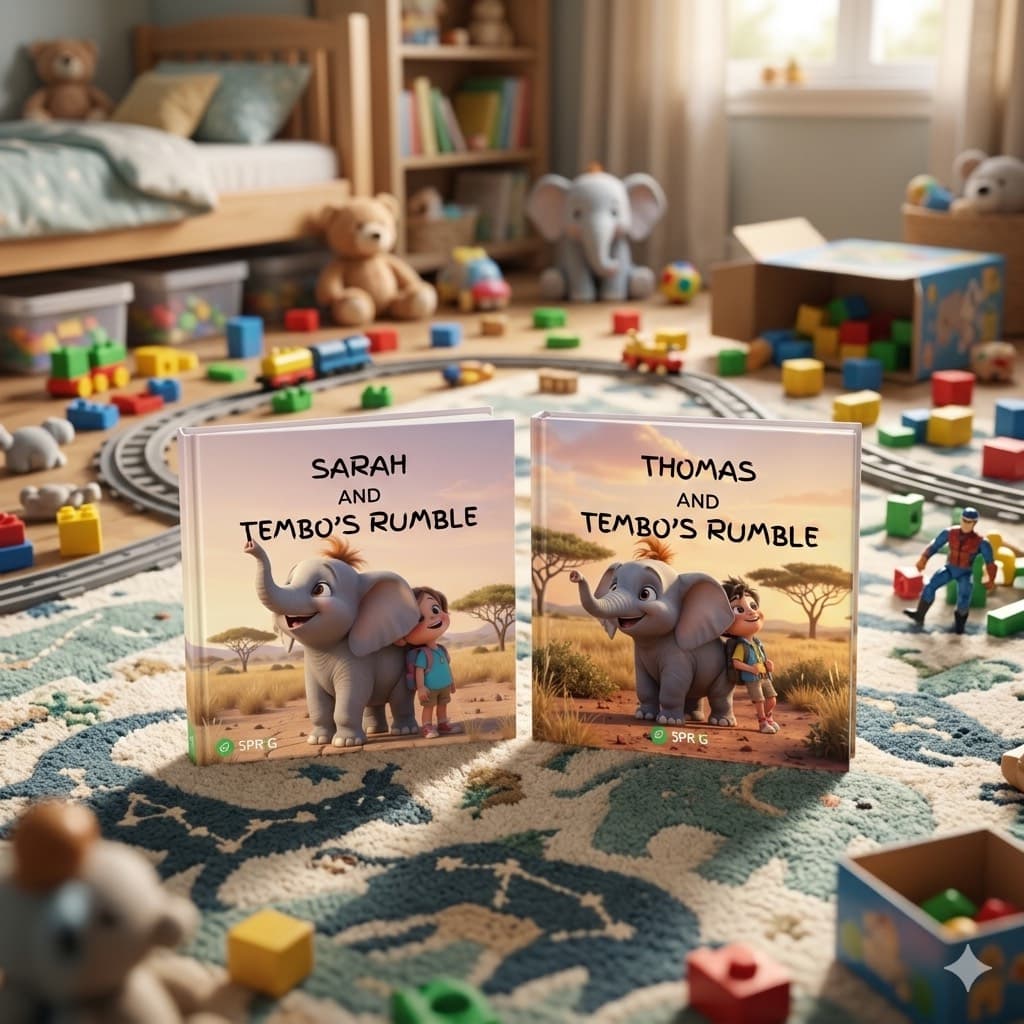
Quick answer: Bibliotherapy — using stories as therapeutic tools — is one of the most well-researched approaches to children's emotional development. Studies show it produces measurable gains in empathy, emotional vocabulary, and anxiety reduction. When the story is personalized to a child's name and situation, the identification deepens and the outcomes improve significantly.
What is bibliotherapy?
Bibliotherapy is the practice of using books and stories to help children understand and cope with emotional, social, and behavioral challenges. The term comes from the Greek biblion (book) and therapeia (healing). While the concept has been used informally for centuries, modern bibliotherapy is supported by a growing body of peer-reviewed research.
The neuroscience of story identification
When children hear a story about a character experiencing an emotion, their mirror neuron system fires — the same neural circuits that activate when they experience that emotion themselves. A landmark study by Mar & Oatley (2008) in Trends in Cognitive Sciences demonstrated that narrative fiction serves as a "flight simulator for social life" — allowing children to safely rehearse emotional situations.
This is amplified by what psychologists call the "distance effect." When children encounter a difficult emotion through a character rather than directly, they can:
- Process the emotion without being overwhelmed
- Observe coping strategies in action
- Draw connections to their own experiences at their own pace
- Revisit the scenario as many times as they need
The measured outcomes
Research consistently shows that therapeutic storytelling produces measurable benefits:
- Empathy: Children showed 8x greater empathy gains after 16 weeks of narrative-based conversations (Aram et al., 2017)
- Emotional vocabulary: Story-based interventions expanded children's emotional vocabulary by 40% compared to controls (Beck et al., 2020)
- Anxiety reduction: Parent-delivered bibliotherapy reduced childhood anxiety symptoms by up to 93% (Rapee et al., 2006)
- Behavioral improvement: Children exposed to therapeutic stories showed significant reductions in aggressive behavior (Shechtman, 2009)
Why personalization amplifies the effect
Generic stories help. But personalized stories help more. When a child sees their own name, recognizes their specific emotional trigger, and encounters a coping tool tailored to their needs, the identification with the character deepens dramatically. Research from the University of Sussex found that personalized narratives activate stronger emotional processing in the brain, leading to better retention and real-world application.
How Sprig applies the science
Every Sprig story is designed around four evidence-based frameworks:
- Emotion Coaching (Gottman) — stories model recognizing, naming, and working through emotions
- Cognitive Behavioral Techniques — characters demonstrate concrete coping tools like deep breathing and counting
- Co-Regulation — a supportive character models calm presence and guidance
- Narrative Therapy — the story arc follows recognition → struggle → tool application → resolution
The combination of personalization and evidence-based content creates a uniquely powerful tool for supporting children's emotional development.
Frequently asked questions
1.What is bibliotherapy?
Bibliotherapy is the practice of using books and stories as therapeutic tools to help children understand and cope with emotional, social, and behavioral challenges. It's supported by decades of peer-reviewed research in developmental psychology.
2.How do stories help children process emotions?
Through the 'distance effect' — when children encounter a difficult emotion through a character rather than directly, they can process it without being overwhelmed, observe coping strategies in action, and draw connections to their own experiences at their own pace.
3.Does therapeutic storytelling actually produce measurable results?
Yes. Research shows 8x greater empathy gains, 40% expansion in emotional vocabulary, up to 93% reduction in childhood anxiety symptoms, and significant reductions in aggressive behavior.
4.Why do personalized stories work better than generic ones?
When a child sees their own name and recognizes their specific emotional trigger in a story, their brain activates stronger emotional processing, leading to better retention and real-world application of the coping tools learned.

Ready to Create Your Child's Story?
Every Sprig book is personalized to your child's specific emotional needs — backed by the research you just read about.
Create Your Book