
Why Personalized Stories Work Better Than Generic Ones
Research shows personalized narratives create deeper emotional engagement and better learning outcomes. Here's the science behind why seeing your name in a story makes all the difference.
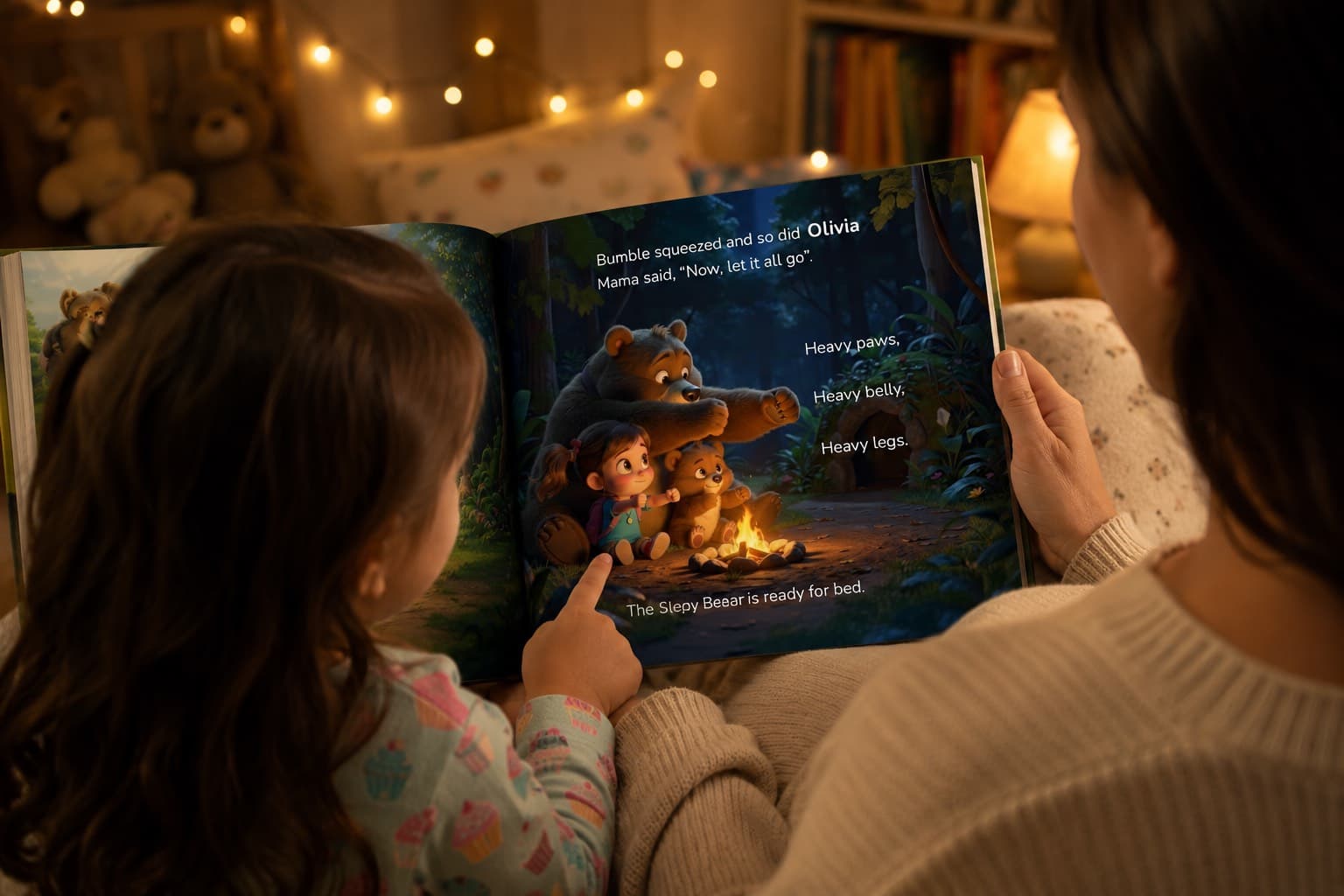
Quick answer: Personalized stories aren't just more fun — they're more effective. Research shows that when a child sees their own name and situation in a story, their brain shifts from passive reception to active identification. This triggers stronger emotional processing, better memory retention, and a higher likelihood of applying coping strategies from the story in real life.
What the research says
Heightened engagement
A study from the University of Sussex used fMRI scanning to measure brain activity while participants read personalized vs. generic narratives. The results were striking: personalized content activated stronger emotional processing centers, readers showed increased attention throughout, and memory retention was significantly higher.
The "it's about me" effect
Psychologists call this the self-reference effect — we process and remember information better when it relates directly to us. For children learning to manage emotions, this means a story about their trigger (a lost toy, a friend leaving) feels more relevant, a coping tool practiced in their situation feels more applicable, and the resolution feels achievable because "if that character can do it, so can I."
Specific identification
Research in Developmental Psychology found that children ages 3-6 who received stories featuring their specific emotional situation showed greater emotional understanding, higher likelihood of applying coping strategies from the story, and more conversations with parents about the topic.
What true personalization looks like
Effective personalization goes beyond inserting a child's name. The most impactful therapeutic stories customize:
- The trigger — the specific emotional challenge the child faces
- The tool — the coping strategy most relevant to their needs
- The support system — a co-regulator character that mirrors the child's real support
- The resolution — an outcome that feels authentic and achievable
What parents tell us
"My daughter said, 'Mommy, this book is about ME!' She wanted to read it three times before bed."
"My son started using deep breathing on his own after we read his story just twice. He tells his stuffed animals to 'breathe like in the book.'"
That's the power of personalization: it transforms a story from something a child hears into something they live.
How Sprig uses personalization
When you create a Sprig book, you're configuring four key dimensions — your child's name appears naturally throughout, their specific emotional trigger drives the plot, a relevant coping tool is woven into the narrative, and a co-regulator character provides age-appropriate support. The result is a story that feels like it was written specifically for your child — because it was.
Frequently asked questions
1.Do personalized stories actually work better than regular ones?
Yes — fMRI research from the University of Sussex shows personalized content activates stronger emotional processing, increases attention, and significantly improves memory retention compared to generic narratives.
2.What is the self-reference effect?
It's a well-documented psychological phenomenon: we process and remember information better when it relates directly to us. For children, seeing their own name and situation in a story makes the lessons feel personally relevant and achievable.
3.What age do personalized stories work best for?
Research in Developmental Psychology found the strongest effects in children ages 3-6, when emotional identification with characters is highest and self-regulation skills are actively developing.
4.Is personalization just putting a child's name in a story?
Effective personalization goes deeper than a name. The most impactful therapeutic stories also customize the emotional trigger, the coping tool, and the support character to match your child's specific needs.
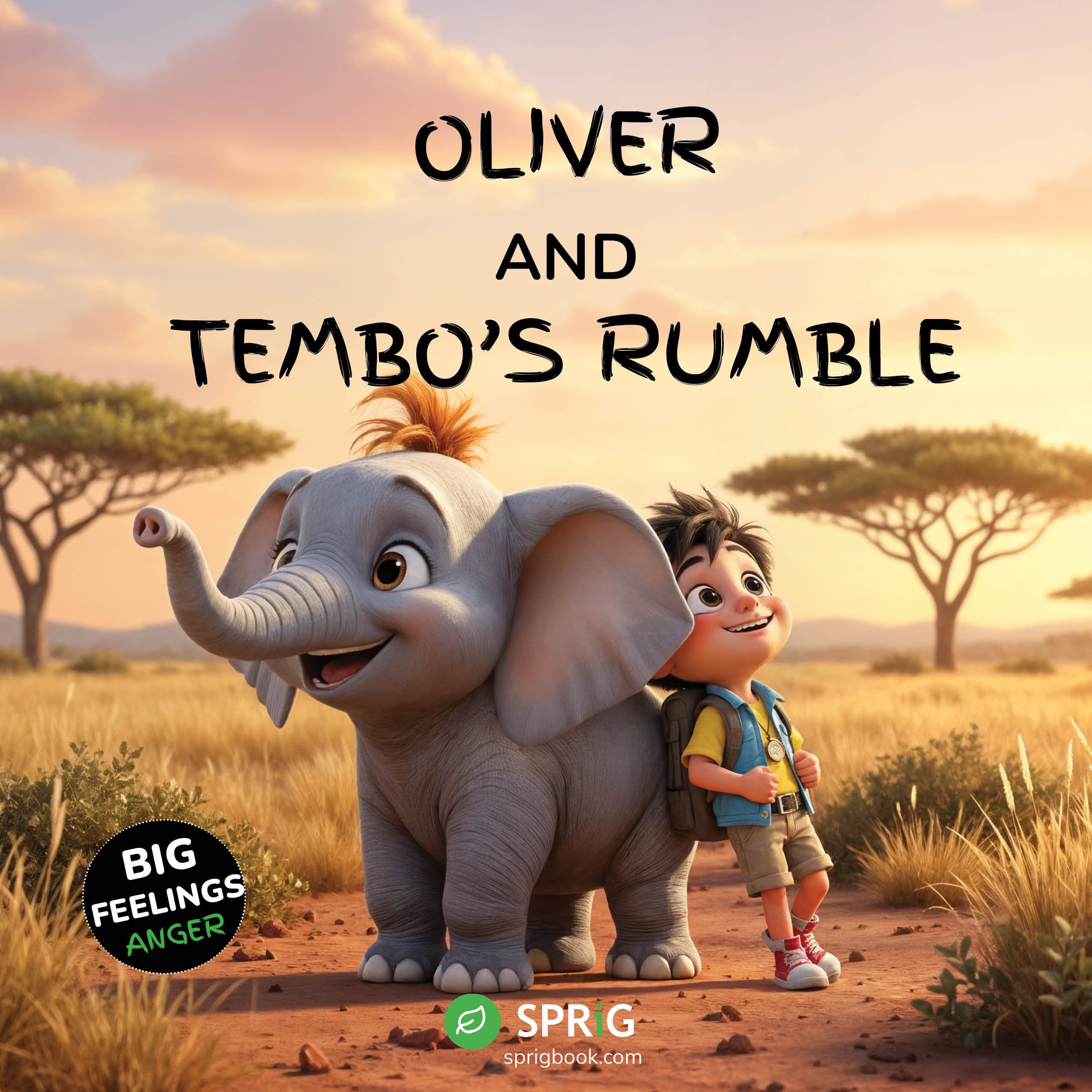
Ready to Create Your Child's Story?
Every Sprig book is personalized to your child's specific emotional needs — backed by the research you just read about.
Create Your Book